Telephone Intercom vs IP Intercom: Key Differences Businesses Must Understand
In modern businesses, clear and reliable communication is essential for day-to-day operations, safety, and coordination among teams. This blog highlights the key differences between telephone intercoms and IP intercom systems, showing how each works, their strengths, and which solution suits different business needs. You will learn how these systems help improve communication, enhance security, and support overall efficiency. By the end of this blog, you will understand the main differences and make a smart choice for your business communication system.
What Are Telephone Intercoms?
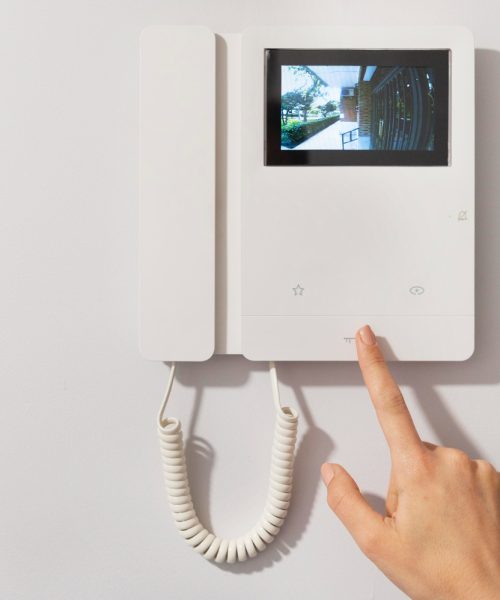
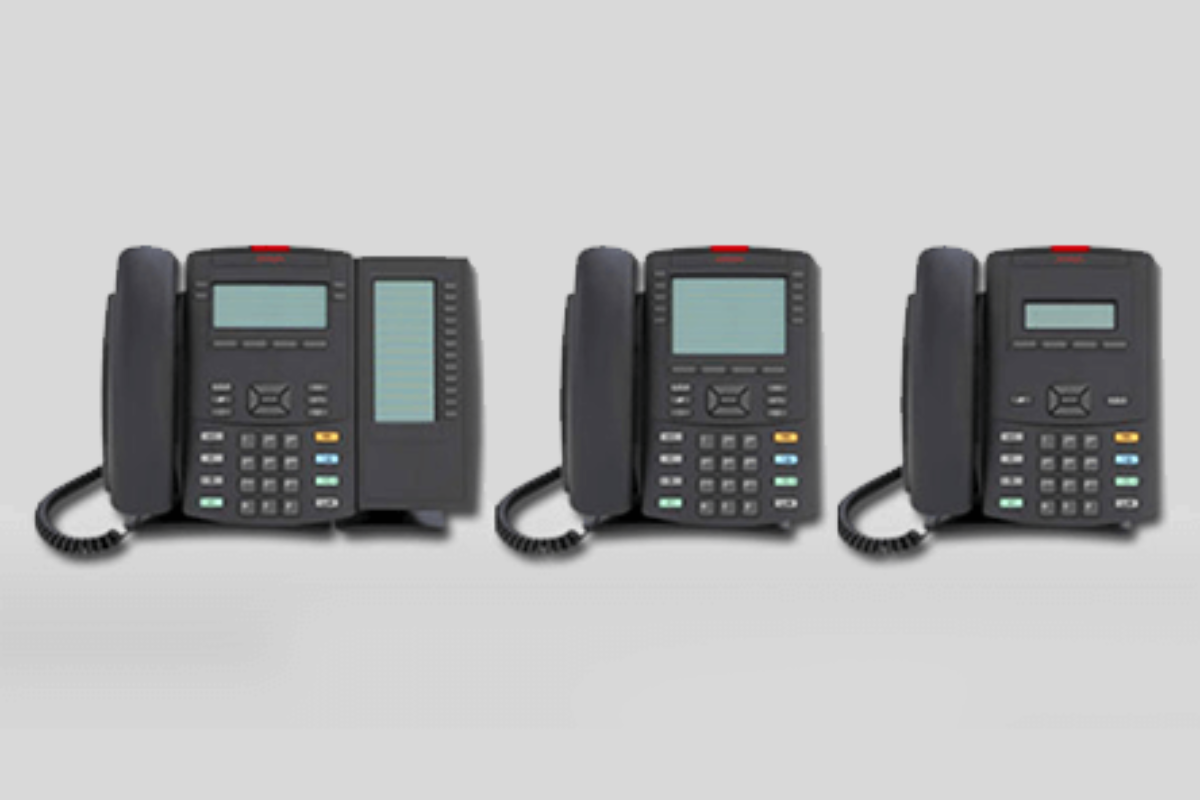
Telephone intercoms are traditional communication systems that allow people inside a building to talk to each other through wired connections. These systems connect directly to telephone networks or internal lines, letting users communicate easily without mobile phones or external networks.
Key Features of Telephone Intercoms
Works over existing telephone lines
Simple and easy to install
Enables communication between rooms and offices
Reliable for basic business communication
Telephone intercoms are still popular in many organizations because they require less technical setup and are familiar to most users.
What Are IP Intercom Systems?
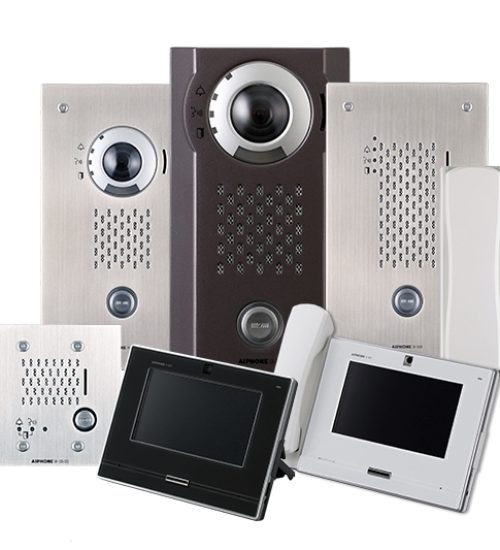
An IP intercom system works using internet technology. Instead of relying on old telephone lines, IP intercoms use data cables or Wi-Fi to transmit voice and sometimes video. This modern system connects to your business network and allows flexible communication across locations
Key Features of IP Intercoms
Uses the internet or local networks
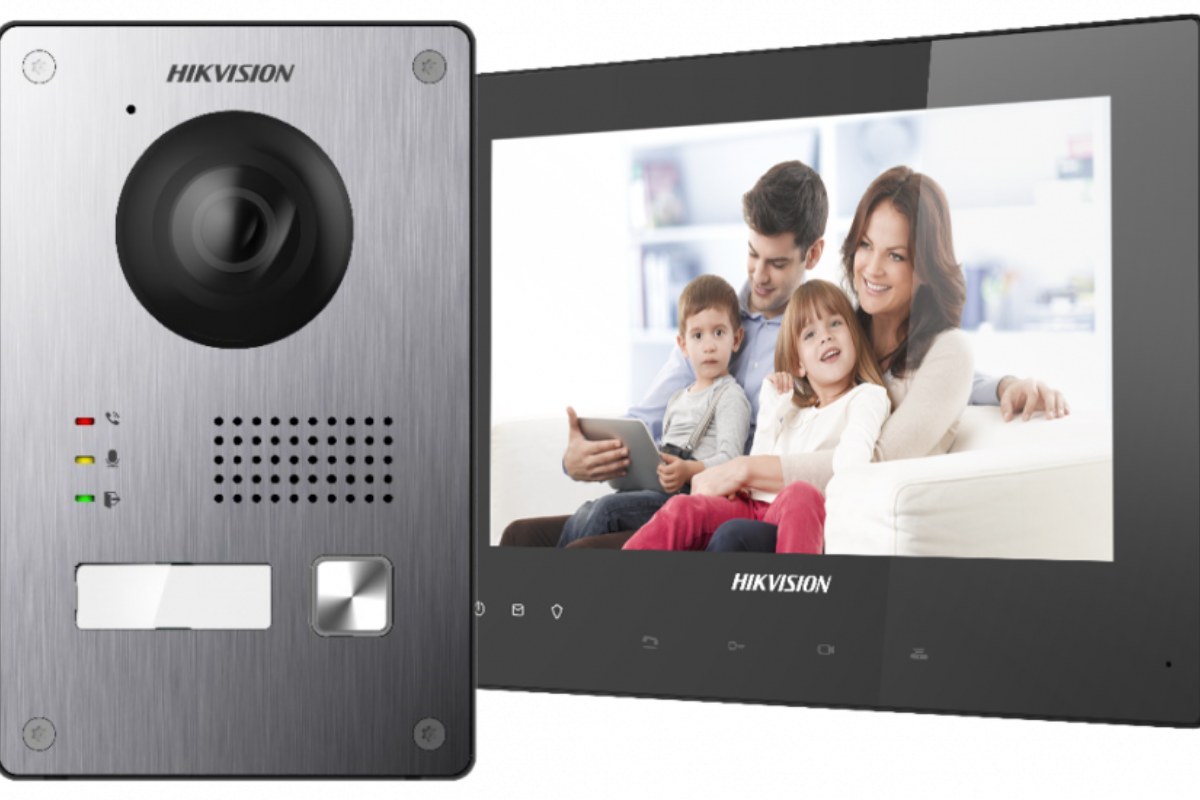
Supports voice and video communication
Can connect multiple locations easily
Offers advanced functions like mobile alerts
IP intercoms are modern and feature-rich, making them ideal for growing businesses with digital infrastructure.
Telephone Intercoms vs IP Intercoms: Key Differences
To choose the right communication system, you must understand how telephone intercoms and IP intercoms differ in performance, ease of use, and technology.
1. Technology and Connectivity
Telephone Intercoms
Uses traditional phone lines for communication
No need for internet or data network
Works well in buildings with existing phone systems
IP Intercoms
Uses network cables or wireless networks
Requires internet or local area network (LAN)
Can work across multiple sites with network access
Difference:
Telephone intercoms rely on phone systems, while IP intercoms use network technology for advanced communication.
2. Communication Quality
Telephone Intercoms
Good voice quality for basic communication
Less advanced features for sound enhancement
IP Intercoms
High voice clarity using digital technology
Can support video and extra sound controls
Difference:
IP intercoms offer clearer sound and more options, while telephone intercoms work well for basic voice calls.
3. Installation and Maintenance
Telephone Intercoms
Easy to install with existing telephone wiring
Requires little maintenance
Works without internet
IP Intercoms
Needs network setup and configuration
Needs regular updates for software
May need network-based support
Difference:
Telephone intercoms are simple to set up, while IP intercoms need more technical installation but offer advanced features.
4. Features and Flexibility
Telephone Intercoms
Basic voice calling
Simple buttons and controls
Works well for small-to-medium offices
IP Intercoms
Voice and video communication
Can connect to mobile apps
Offers remote access and management
Integration with security systems
Difference:
IP intercoms are more flexible and feature-rich, while telephone intercoms focus on basic calling.
5. Scalability and Future Readiness
Telephone Intercoms
Best for small setups
Limited ability to expand or integrate new technology
IP Intercoms
Easy to scale for larger businesses
Can integrate with smart systems and cloud services
Difference:
IP intercoms are easier to grow with your business, while telephone intercoms are better for smaller, simpler needs.
When Telephone Intercoms Make Sense
Despite the rise of IP systems, telephone intercoms still have strong value in certain settings. They are suitable for businesses that:
Already have structured telephone systems
Need a reliable and simple communication setup
Prefer minimal technical investment
Want stable and familiar voice systems
Pros of Telephone Intercoms
Lower initial setup cost
No need for a network or the internet
Easy to use and train staff on
Works well for basic internal communication
Whether a business is small, medium, or large, a PABX system brings clear benefits across different departments.
When IP Intercom Systems Are Better
IP intercoms are ideal for businesses ready to use digital communication and advanced features. These systems are suitable when:a
You need video access at entry points or reception
Your business has multiple sites connected via a network
You want mobile alerts or remote communication
You plan to integrate with security tools like access control
Pros of IP Intercoms
High-quality voice and video communication
Remote management through mobile or web apps
Integration with security and smart systems
Scalable for future growth
For growing businesses, malls, high-traffic offices, and facilities with security needs, IP intercoms offer greater value and flexibility.
Important Tips Before Choosing
Whether you choose telephone intercoms or an IP intercom system, consider these questions:
How many users need access?
Do you need video or just audio communication?
Is your business located in one building or multiple areas?
Do you require remote communication from mobile devices?
What is your budget for installation and support?
Answering these will help you match your communication needs with the right system.
Conclusion
Understanding the differences between telephone intercoms and IP intercom systems helps businesses make smarter communication choices. Telephone intercoms are reliable, simple, and cost-effective for basic internal communication. In contrast, IP intercoms deliver advanced features, scalability, and digital integration, making them suitable for larger or tech-ready businesses. Both systems improve workplace coordination, safety, and operational efficiency when selected based on specific needs. For expert guidance on choosing and installing the right intercom solution for your business, SAN Security LLC provides professional support, advanced technology, and reliable service to help you strengthen communication and security infrastructure.